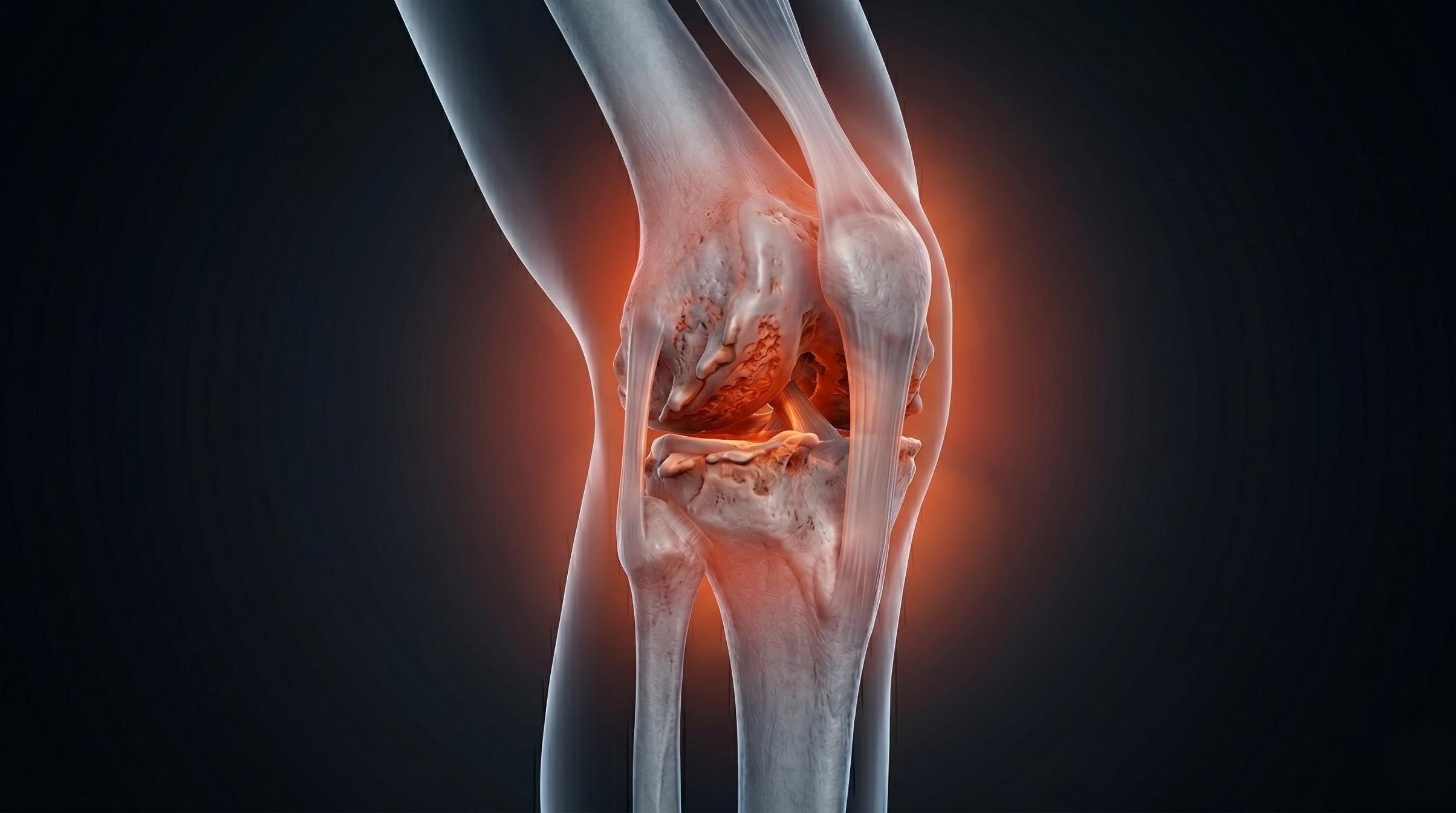
Knee pain is one of the most common reasons people seek help, but it is not one single problem. The knee is a complex joint, and pain can come from several different sources. Understanding the likely cause is the first step towards the right treatment.
The common causes
Most knee pain comes down to a handful of causes, and they often need quite different treatment.
- Osteoarthritis. Wear and tear of the cartilage, the most common cause in those over 50, leading to bone on bone friction.
- Cartilage problems. A meniscal tear, for example, where the cushioning cartilage in the knee is damaged.
- Ligament injuries. Often from sport or a twisting injury, affecting the stability of the joint.
- Tendon problems. Inflammation of the tendons around the knee, which usually needs different treatment from a joint problem.
Why the cause matters
This is the key point. A treatment that helps one cause can do nothing for another. A steroid injection may calm an inflamed joint, but it will not repair a meniscal tear or help bone on bone arthritis. A tendon problem may need a different approach again. That is why a proper assessment, often with imaging, matters before starting treatment.
When to seek help
It is worth getting your knee assessed if the pain is persistent, limits your daily activities, causes swelling or a feeling of instability, or simply does not settle with rest and simple measures. The earlier the cause is identified, the more options you usually have.
Knee pain has several common causes, including osteoarthritis, cartilage tears, ligament injuries, and tendon problems. Each needs different treatment, so the right diagnosis matters more than the pain alone. Many causes respond well to non-surgical care, and surgery is considered only when needed.