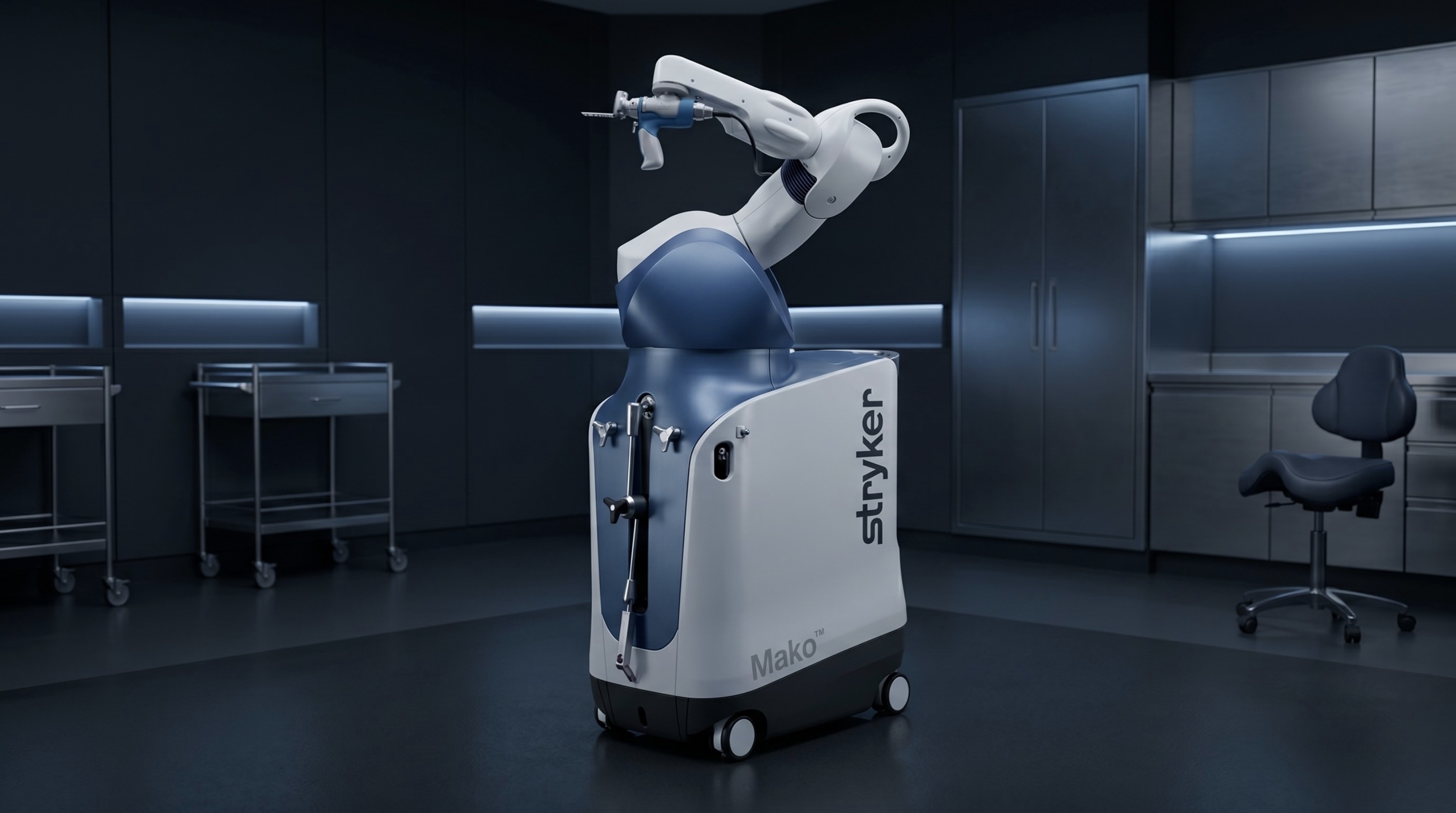
Using the same robotic platform as hip replacement, Mr Kumar can plan and execute your knee replacement with a level of accuracy that is not achievable by hand alone.
The robotic arm does not perform the operation independently. It assists Mr Kumar in executing the pre-planned implant position with greater accuracy than conventional technique alone.
Studies show that robotic placement reduces the risk of implant malpositioning, which is one of the factors linked to long-term function. The surgeon remains in control throughout. The technology adds planning and precision.
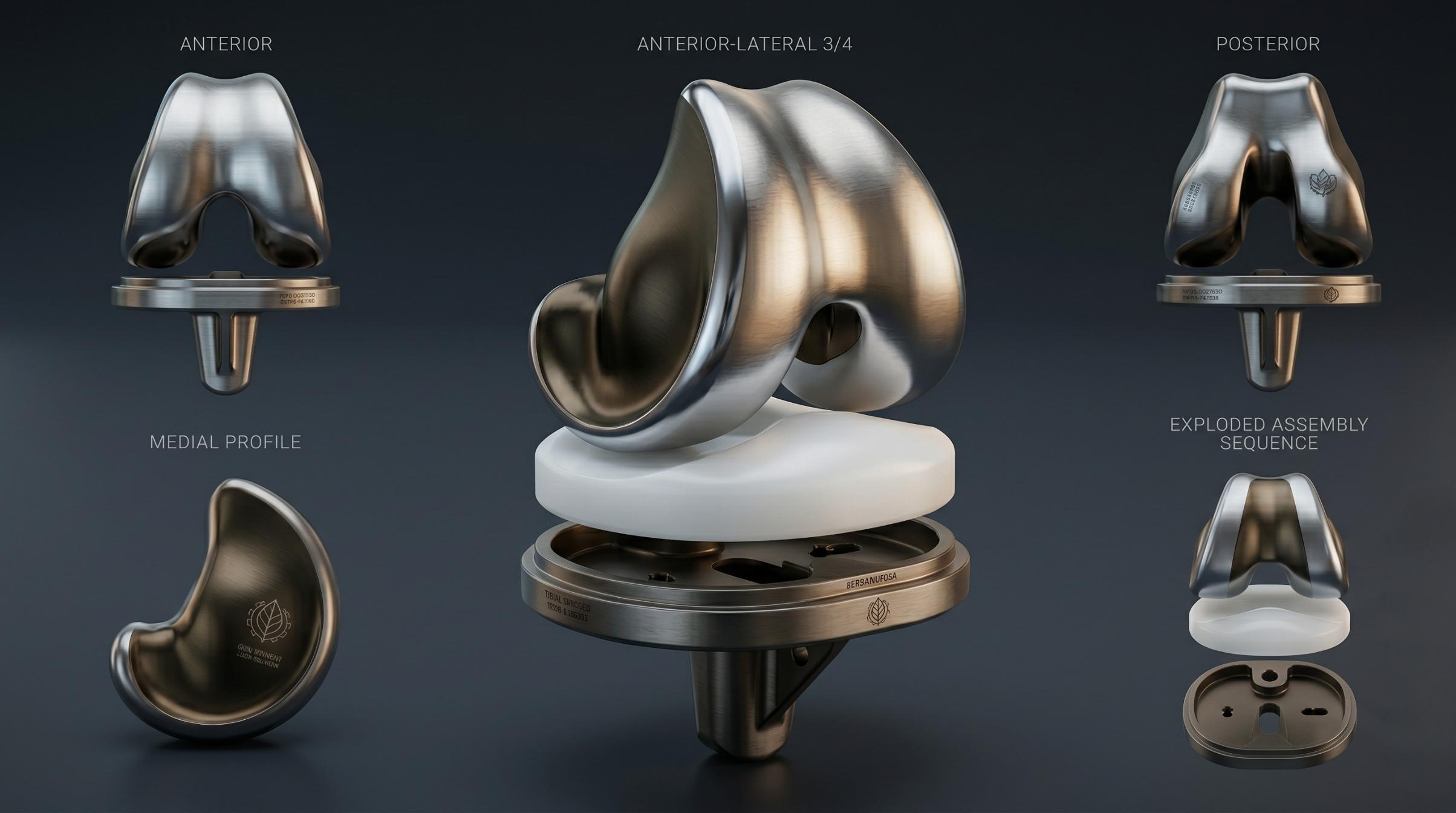
A joint implant is a precisely engineered device made from high-grade metal alloy, ceramic and medical-grade polyethylene. Modern implants are designed to last 15 to 25 years in most patients, depending on activity level and body weight.
Scott researched his options and wanted the robotic approach. Mr Kumar talked through the benefits and trade-offs, then supported the choice that gave Scott the most confidence.
I have no pain. I have no reservation about putting my foot down on an angle. It just isn't a problem. Scott, 71 · Robotic knee patientRead Scott's full journey →
Robotic knee replacement suits patients who are considering a knee replacement and want the most precise implant placement available. You might recognise:
Three stages that turn your anatomy into an accurately placed implant.
Before surgery, a detailed plan is built around your own anatomy, mapping exactly where the implant should sit.
During surgery, the robotic arm assists Mr Kumar in following the plan, keeping placement within millimetres of the target.
Mr Kumar carries out the operation throughout. The technology adds accuracy, it does not replace the surgeon's judgement.
The operation typically takes 60 to 90 minutes. Mr Kumar removes the damaged surfaces of the knee joint and replaces them with metal and plastic components. The implant position is planned before surgery and executed with robotic guidance.
Knee replacement is most commonly performed under spinal anaesthetic. A nerve block to numb the knee area may also be used to reduce post-operative pain, and this is discussed at your pre-operative assessment.
Physiotherapy begins early, often on the day of surgery. Walking with a frame or crutches is encouraged from the outset.
Recovery follows the same supported path as a conventional knee replacement, built on early physiotherapy. The aim of the robotic approach is accurate placement, which is one of the factors linked to good long-term function.
Most patients go home 2 to 3 days after knee replacement. Mr Kumar's team ensures a physiotherapy programme is in place before you are discharged.
Typical UK self-pay range, depending on hospital, implant, and individual factors.
See a full cost breakdown →It is a knee replacement planned in 3D from your own anatomy and carried out with the assistance of a robotic arm, which helps Mr Kumar place the implant within millimetres of the plan. It is surgeon-led throughout.
No. Mr Kumar performs the operation. The robotic arm does not act independently. It assists him in executing the pre-planned implant position with greater accuracy than conventional technique alone.
Studies show robotic placement reduces the risk of implant malpositioning, which is one of the factors linked to long-term function. Mr Kumar will discuss whether the robotic approach suits your knee at consultation.
Modern knee implants are designed to last fifteen to twenty-five years in most patients. Recovery follows the same path as a conventional knee replacement: home within two to three days, a driving assessment around six weeks, and full recovery expected for most by twelve months.
Most patients considering a knee replacement can be considered for the robotic approach. Mr Kumar will assess your knee and your goals and advise you at consultation.
A driving assessment is usually possible around six weeks after surgery. When you return to work depends on your role and your recovery, and Mr Kumar will advise you at your review.
Privately, you choose the timing of your surgery, you are seen quickly, and your care is led by Mr Kumar throughout. The operation itself follows the same evidence-based principles.
Book a consultation to find out whether a robotic approach is right for your knee. Most patients are seen within two weeks.