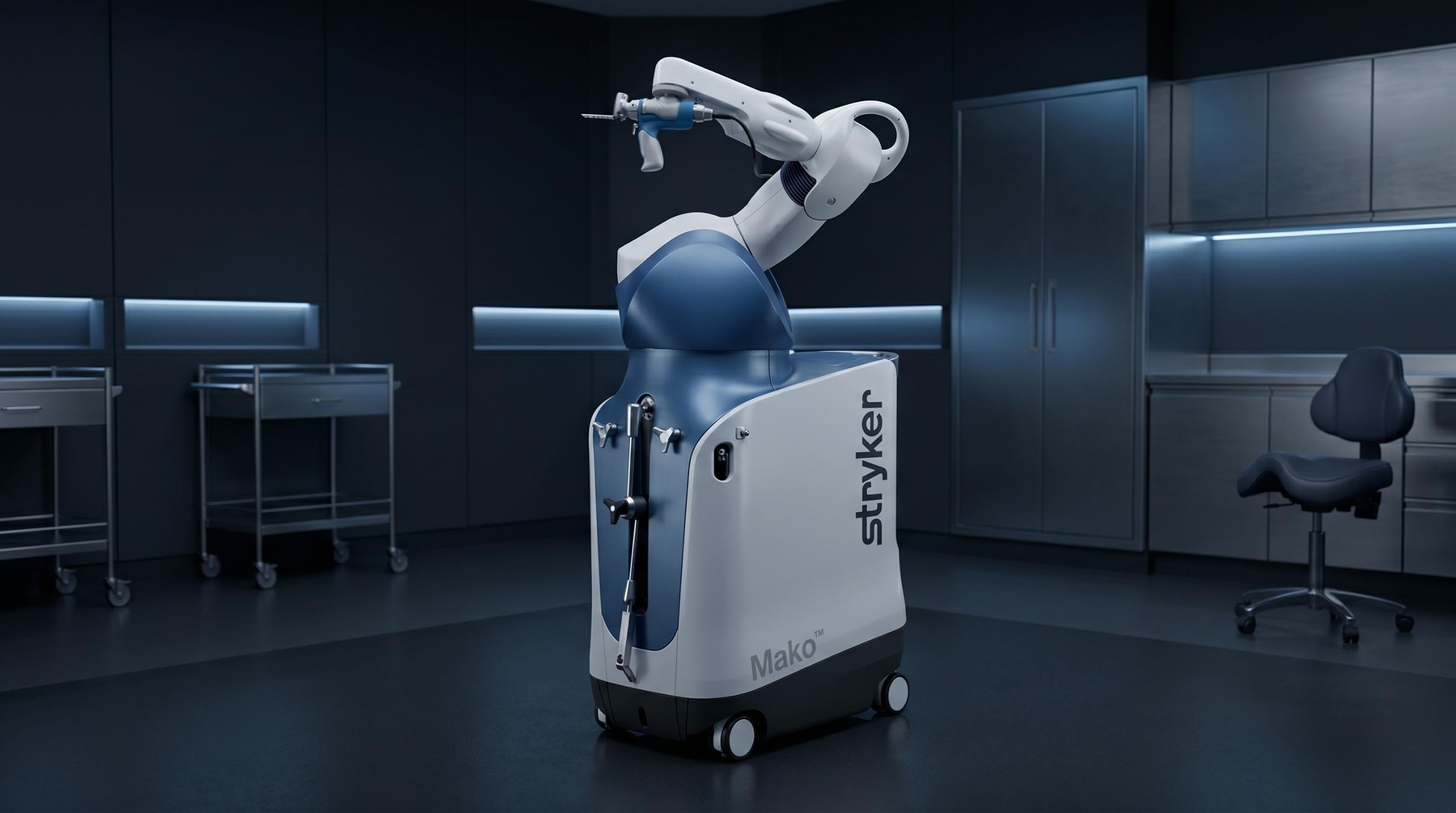
A hip replacement planned in 3D from a CT scan of your own anatomy, then carried out with sub-millimetre robotic precision. Mr Kumar stays in control throughout. The technology adds accuracy.
The robotic arm does not perform the operation independently. It assists Mr Kumar in executing the pre-planned implant position with greater accuracy than conventional technique alone.
Before surgery, a CT scan is used to build a precise 3D model of your hip. Mr Kumar plans exactly where the implant should sit, accounting for your individual anatomy, leg length and the way you move. During surgery, the robotic arm keeps placement within millimetres of that plan.
Accurate placement matters. It is one of the factors linked to long-term function, to a stable, natural-feeling joint, and to reducing complications such as leg length discrepancy. A modern hip implant is designed to last fifteen to twenty years or more in most patients.
Andrea was told her concern was cosmetic. Trusting her instincts, she sought a specialist, and within three weeks of surgery she was back to table tennis, yoga and pilates.
I felt my concerns were validated. I'm so glad I came to see the best specialist. I can't feel a thing. Andrea, 69 · Hip patientRead Andrea's full journey →
Robotic hip replacement suits patients who are considering a hip replacement and want the most precise implant placement available. You might recognise:
Three stages that turn a CT scan of your hip into an accurately placed implant.
A CT scan is used to build a detailed plan around your own anatomy, mapping exactly where the implant should sit and how to protect leg length.
During surgery, the robotic arm assists Mr Kumar in following the plan, keeping placement within millimetres of the target.
Mr Kumar carries out the operation throughout. The technology adds accuracy, it does not replace the surgeon's judgement.
The operation typically takes around an hour to ninety minutes. Mr Kumar removes the worn ball and socket and places the implant according to your pre-operative 3D plan, executed with robotic guidance for accuracy.
Hip replacement is most commonly performed under a spinal anaesthetic, with sedation available if you prefer. A general anaesthetic can also be discussed at your pre-operative assessment.
Physiotherapy begins early, and most patients are up and moving with support the same day or the next.
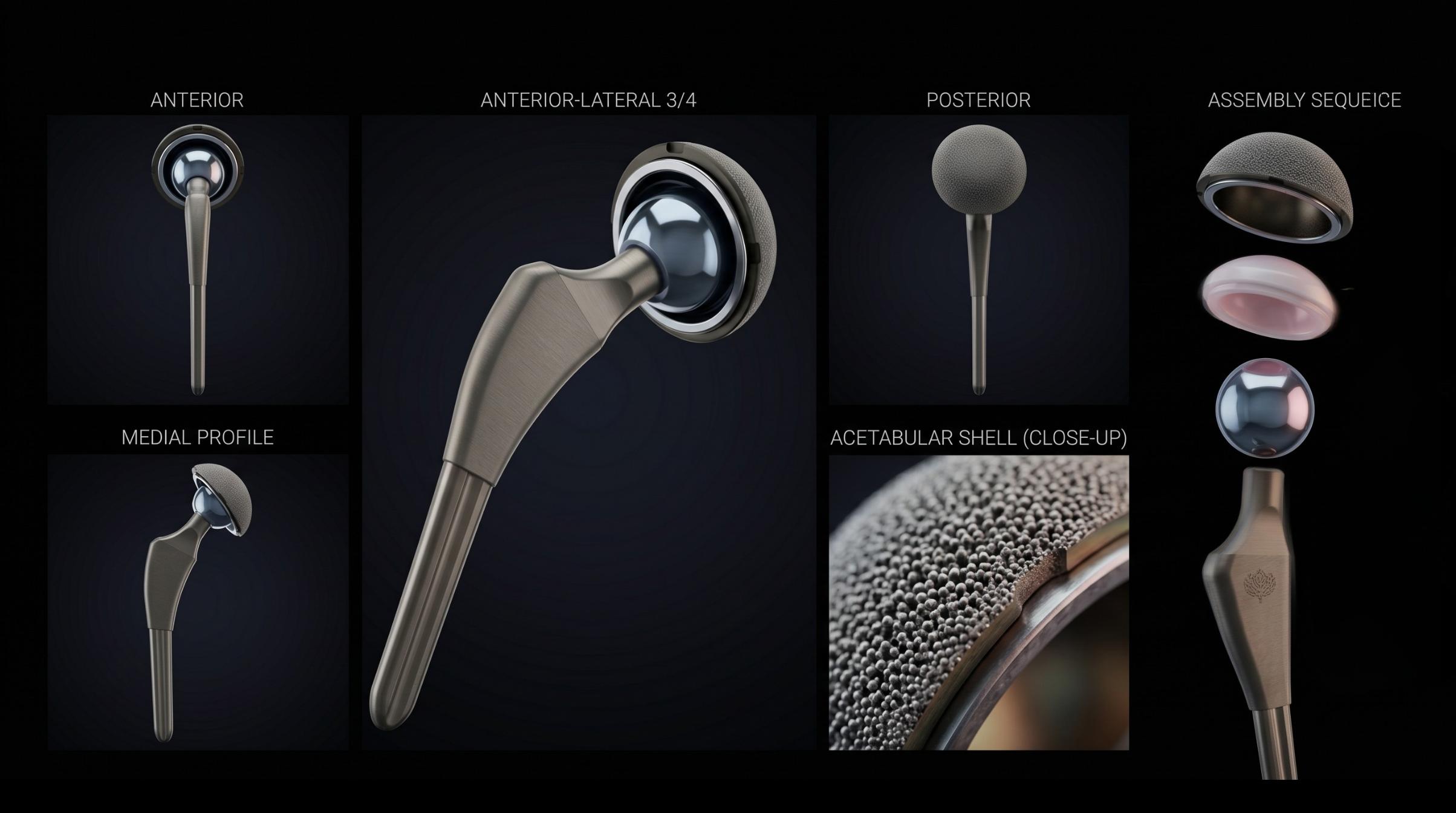
Recovery follows the same supported path as a conventional hip replacement, built on early physiotherapy. The aim of the robotic approach is accurate placement, which is one of the factors linked to good long-term function.
Most patients go home 1 to 3 days after a hip replacement. You will need someone to collect you, and you should not drive for at least 6 weeks. A physiotherapy programme is arranged before you leave.
Typical UK self-pay range, depending on hospital, implant, and individual factors.
See a full cost breakdown →It is a hip replacement planned in 3D from a CT scan of your own anatomy and carried out with the assistance of a robotic arm, which helps Mr Kumar place the implant within millimetres of the plan. It is surgeon-led throughout.
No. Mr Kumar performs the operation. The robotic arm does not act independently. It assists him in executing the pre-planned implant position with greater accuracy than conventional technique alone.
Studies show robotic placement reduces the risk of implant malpositioning, which is one of the factors linked to long-term function and to controlling leg length. Mr Kumar will discuss whether the robotic approach suits your hip at consultation.
Modern hip implants are designed to last fifteen to twenty years or more in most patients. Recovery follows the same path as a conventional hip replacement: home within one to three days, no driving for at least six weeks, and full recovery expected for most by twelve months.
Most patients considering a hip replacement can be considered for the robotic approach. Mr Kumar will assess your hip and your goals and advise you at consultation. You can also read about hip replacement in general.
Privately, you choose the timing of your surgery, you are seen quickly, and your care is led by Mr Kumar throughout. The operation itself follows the same evidence-based principles.
Book a consultation to find out whether a robotic approach is right for your hip. Most patients are seen within two weeks.