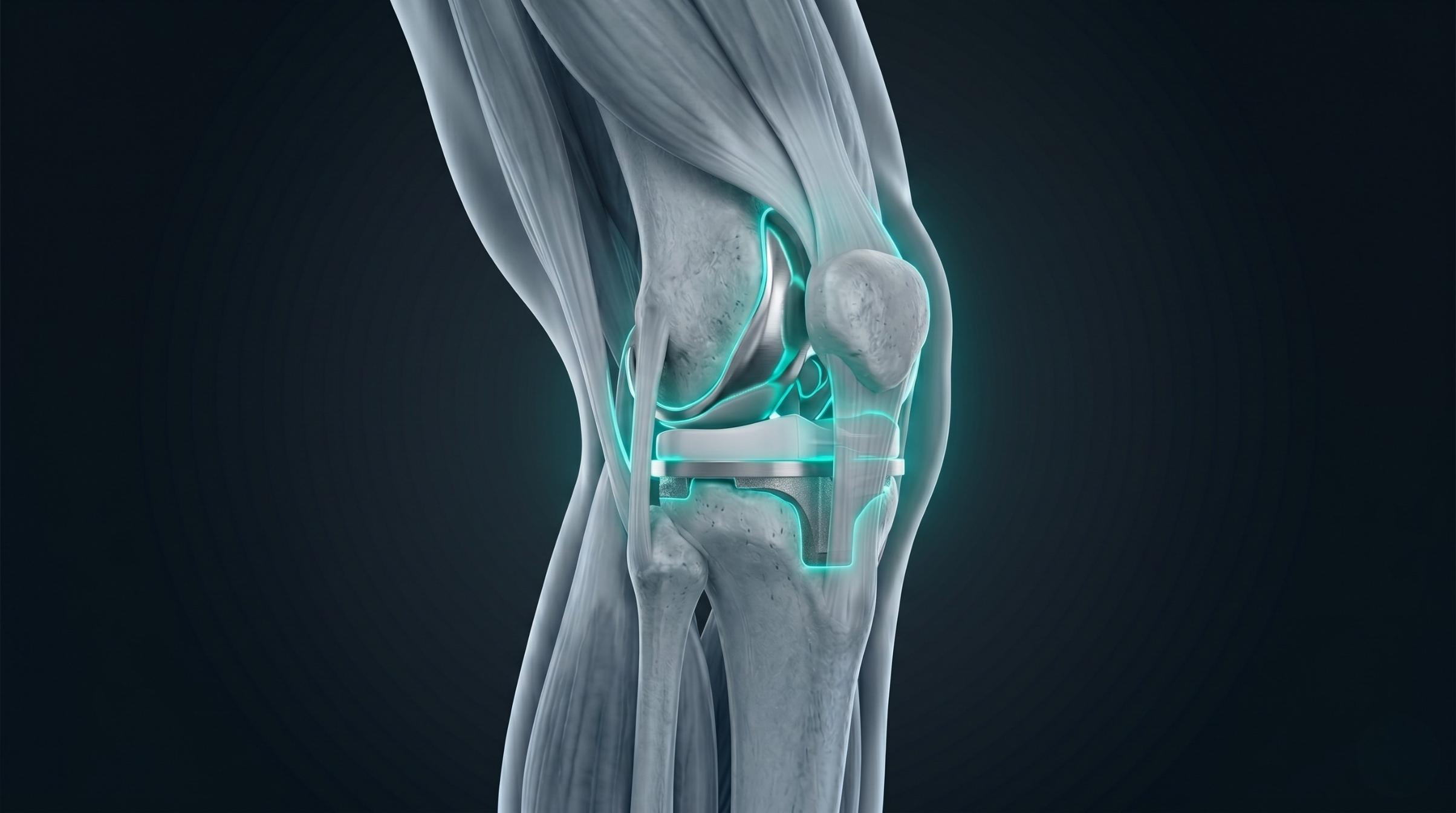
The worn surfaces of the knee, replaced with a durable implant, for lasting relief from pain and stiffness.
Total knee replacement replaces the worn surfaces of the knee joint with a metal and plastic implant.
The damaged ends of the thigh bone and shin bone are resurfaced and capped with precision components, recreating a smooth, stable joint that moves without the bone-on-bone pain of advanced arthritis.
It is one of the most successful operations in orthopaedic surgery, with the majority of patients experiencing significant and long-lasting pain relief.
Scott's story: a clear plan, handled from start to finish, and a recovery that let him return to what matters most.
He went to great lengths to explain all that had taken place and answered all my questions, putting me at total ease. Patient via DoctifyRead Scott's full journey →
Knee replacement is usually considered when pain and stiffness start to limit everyday life and non-surgical treatment is no longer enough. You might recognise:
Not every knee needs a total replacement. Mr Kumar advises on the right approach for your pattern of wear.
Replacing the worn surfaces of the knee with metal and plastic components for significant, long-lasting pain relief.
Where arthritis is confined to one part of the knee, a unicompartmental replacement preserves more of the natural knee and can allow a quicker recovery.
Planning and executing your knee replacement with a level of accuracy not achievable by hand alone.
Read more →Steroid, hyaluronic acid and PRP injections for knee osteoarthritis, meniscal pain and inflammatory conditions.
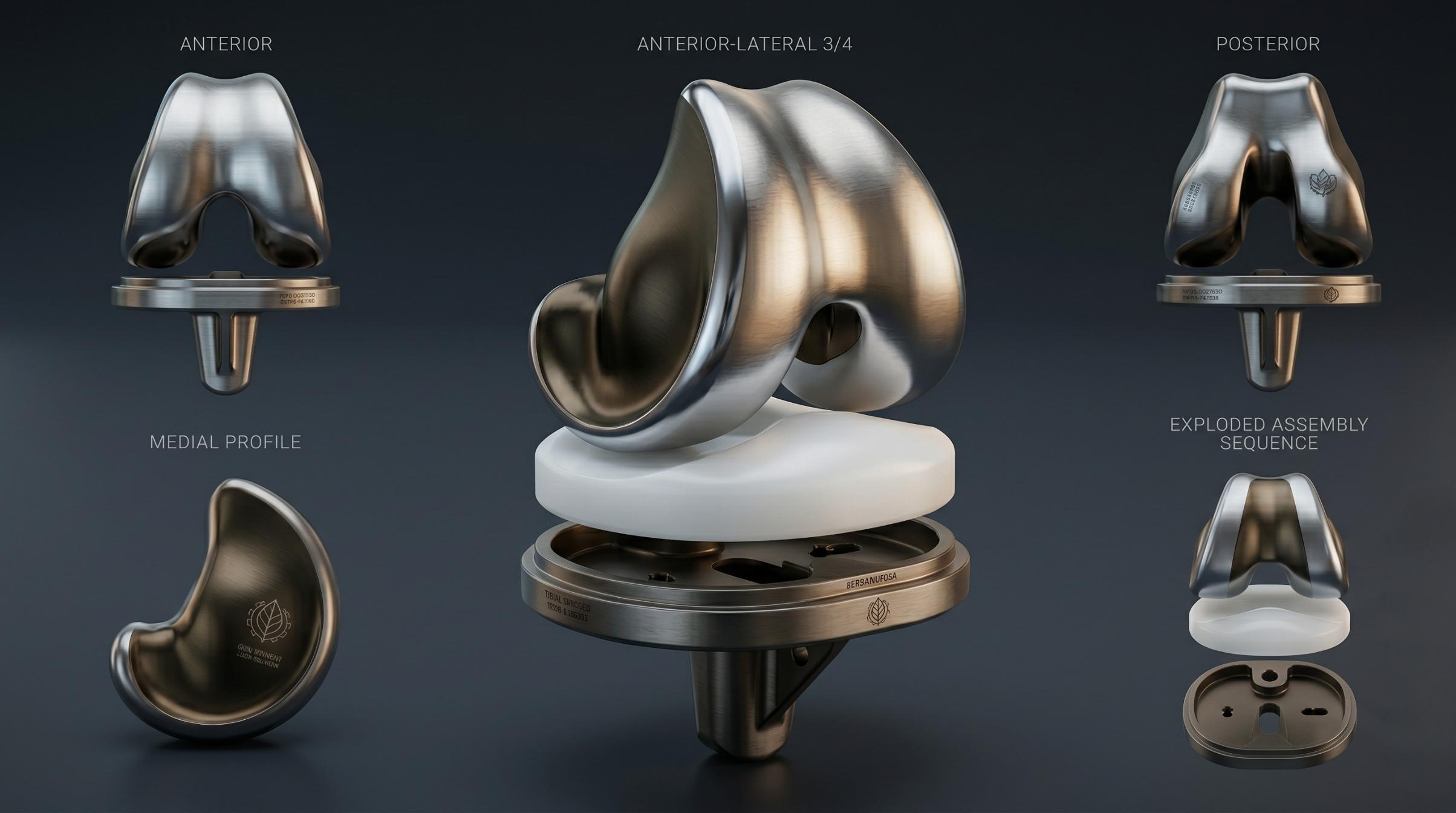
The operation typically takes 60 to 90 minutes. Mr Kumar removes the damaged surfaces of the knee joint and replaces them with metal and plastic components. In robotic cases, the implant position is planned before surgery and executed with robotic guidance.
Knee replacement is most commonly performed under spinal anaesthetic. A nerve block to numb the knee area may also be used to reduce post-operative pain. This is discussed with you at your pre-operative assessment.
Physiotherapy begins early, often on the day of surgery. Walking with a frame or crutches is encouraged from the outset.
Recovery is a gradual, supported process. Physiotherapy begins early, often on the day of surgery, and is central to a strong recovery. Most patients are home within two to three days and build steadily from there.
Most patients go home 2 to 3 days after knee replacement. Mr Kumar's team ensures a physiotherapy programme is in place before you are discharged.
Typical UK self-pay range, depending on hospital, implant, and individual factors.
See a full cost breakdown →Most modern knee implants are designed to last fifteen to twenty years or more, depending on your activity level and weight. Many last considerably longer.
Most patients are home within two to three days. Physiotherapy starts early, a driving assessment is usually possible around six weeks, most daily activities return by three months, and full recovery is expected for most by twelve months.
Knee replacement is one of the most successful operations in orthopaedic surgery. As with any surgery there are risks, and Mr Kumar will explain your individual risk profile clearly at consultation so you can make an informed decision.
A driving assessment is usually possible around six weeks after surgery. When you return to work depends on your role and your recovery, and Mr Kumar will advise you at your review.
Kneeling can feel uncomfortable after a knee replacement for some patients, though many manage it in time. Mr Kumar will talk through what to expect for your activities and goals.
Privately, you choose the timing of your surgery, you are seen quickly, and your care is led by Mr Kumar throughout. The operation itself follows the same evidence-based principles.
Yes. Mr Kumar offers robotic knee replacement and will discuss whether it suits your knee at consultation.
Book a consultation with Mr Kumar to discuss whether a knee replacement is right for you. Most patients are seen within two weeks.