When arthritis is confined to one part of the knee, a partial replacement resurfaces only the worn compartment, preserving more of your natural joint and often allowing a quicker recovery.
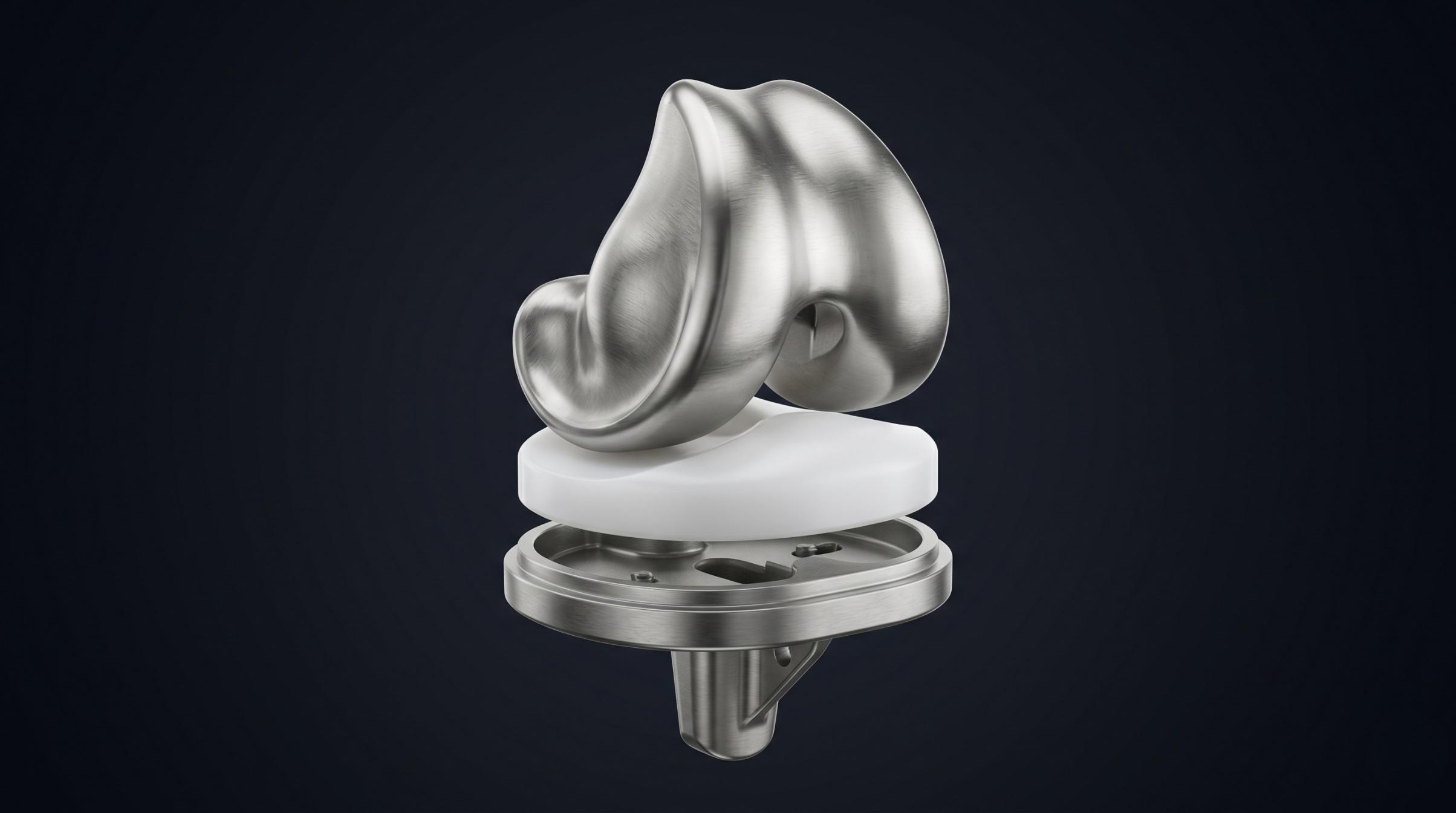
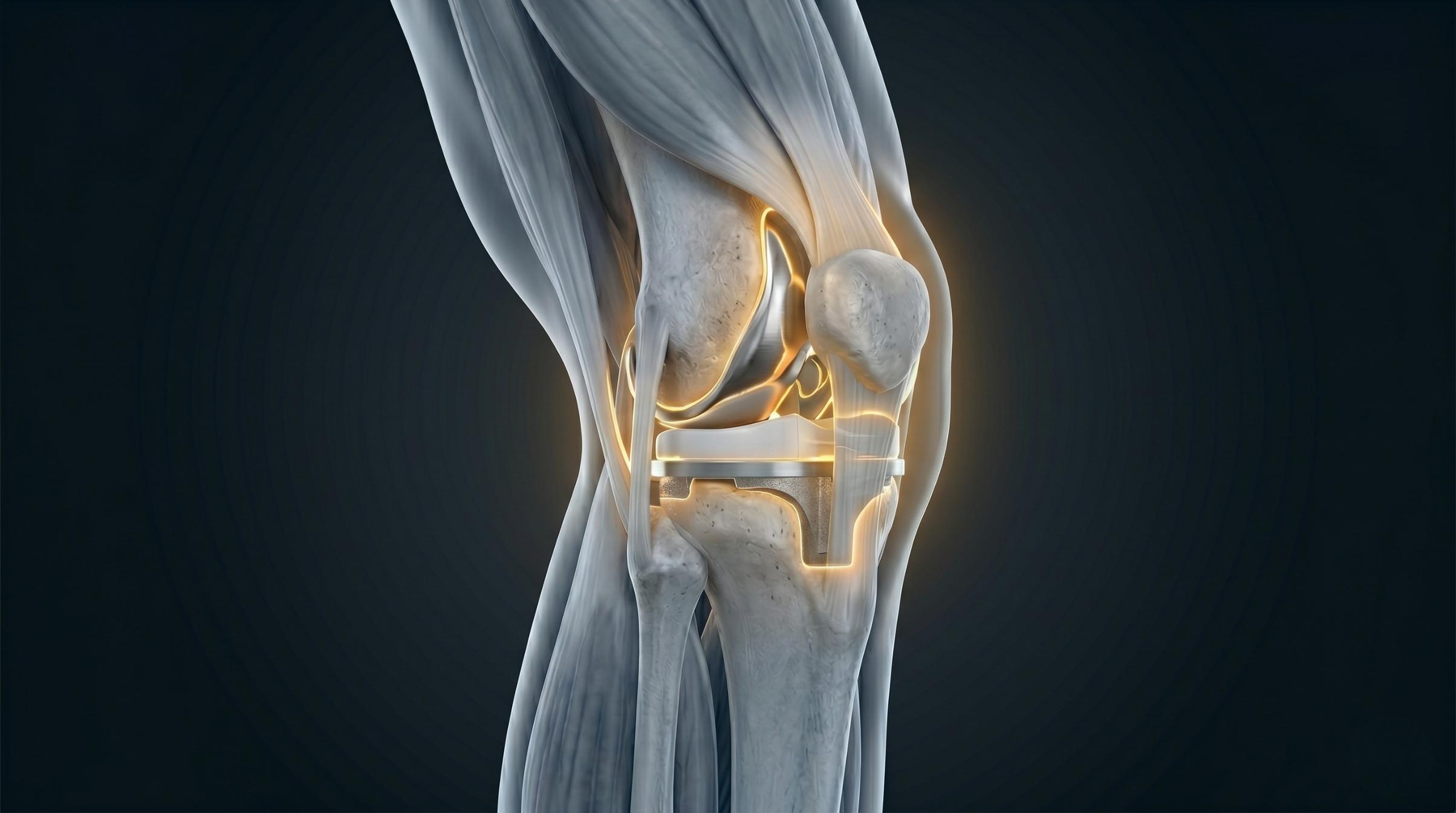
A partial knee replacement, also called a unicompartmental replacement, resurfaces only the part of the knee that is worn, leaving the healthy compartments and ligaments untouched.
The knee has three compartments. When arthritis affects just one of them, there is no need to resurface the whole joint. By treating only the damaged area, a partial replacement preserves more of your natural knee, which many patients find feels more like their own.
It is a smaller operation than a total knee replacement, and for suitable patients it can mean a quicker recovery. The key is careful selection, and Mr Kumar will advise you on whether it is right for your knee.
Partial knee replacement suits a specific group of patients. It may be an option if you recognise:
Not every knee is suitable, and that is an important part of the assessment. Where wear is more widespread, a total knee replacement is usually the better choice.
The decision rests on how much of the knee is worn. Mr Kumar will talk you through both, honestly, so the choice is clear.
Resurfaces only the worn compartment. Best suited to arthritis confined to one part of the knee, with healthy ligaments and good movement.
Resurfaces the whole joint. The right choice when arthritis affects more than one compartment of the knee.
About total replacement →In a partial knee replacement, Mr Kumar removes only the worn surfaces of the affected compartment and replaces them with metal and plastic components, leaving the rest of the knee untouched. The smaller exposure is part of what can make recovery quicker for suitable patients.
Knee surgery is most commonly performed under spinal anaesthetic, and a nerve block may be used to reduce post-operative pain. This is discussed at your pre-operative assessment.
Physiotherapy begins early, often on the day of surgery, and walking with support is encouraged from the outset.
Because a partial replacement is a smaller operation, suitable patients often recover more quickly than after a total knee replacement. Recovery is gradual and built on early physiotherapy.
Many patients go home within one to two days after a partial knee replacement. Mr Kumar's team ensures a physiotherapy programme is in place before you are discharged.
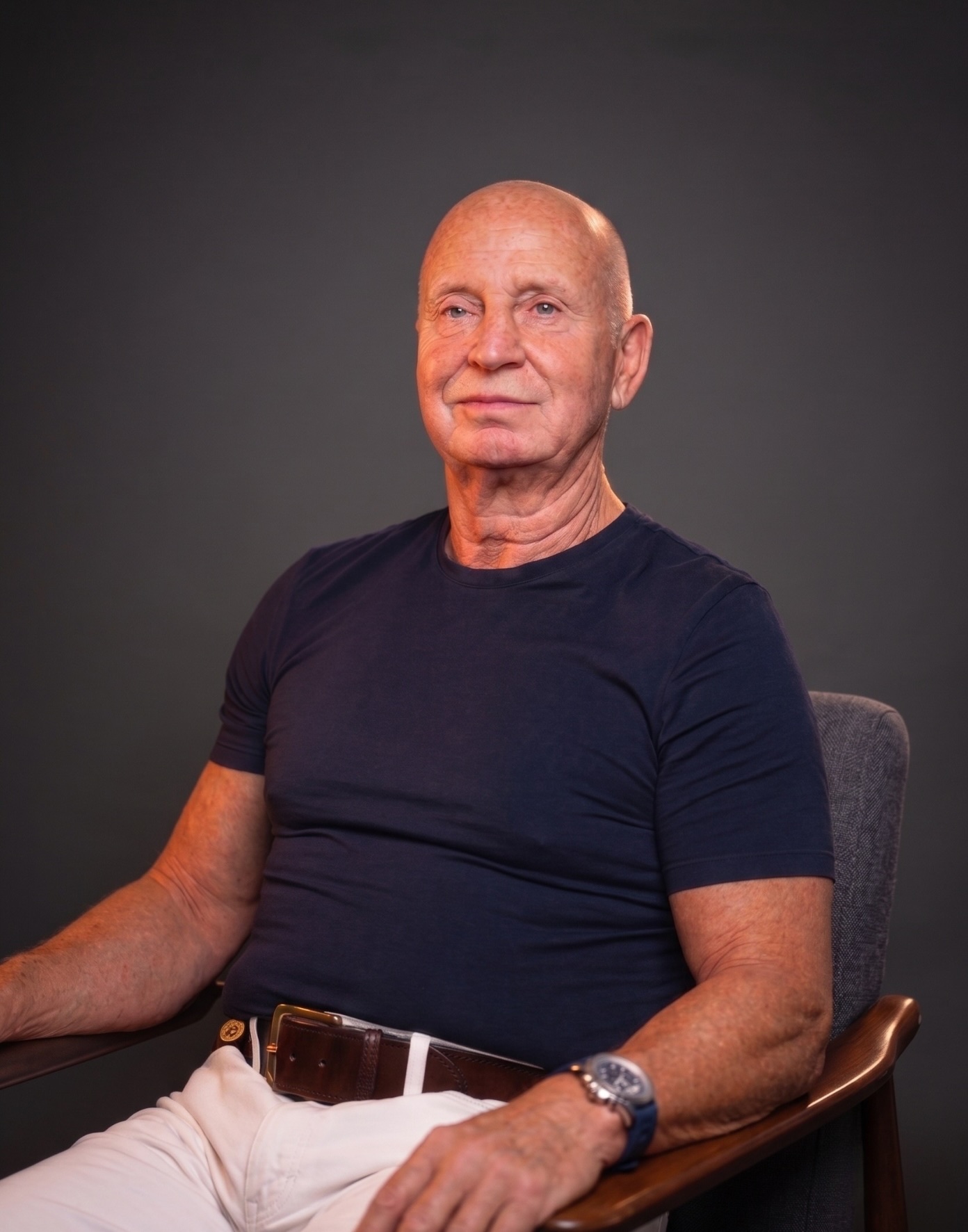
Scott researched his options carefully and worked with Mr Kumar to choose the approach that gave him the most confidence. His recovery took him back to the activities he loves.
I have no pain. I have no reservation about putting my foot down on an angle. It just isn't a problem. Scott, 71 · Knee patientRead Scott's full journey →
Typical UK self-pay range, depending on hospital, implant, and individual factors.
See a full cost breakdown →Partial replacement suits patients whose arthritis is confined to one compartment of the knee, with stable ligaments and good movement. Careful selection is key, and Mr Kumar will assess your knee and scans and advise you honestly at consultation.
A partial replacement resurfaces only the worn compartment and keeps your ligaments intact, while a total replacement resurfaces the whole joint. The partial is a smaller operation and can mean a quicker recovery for suitable patients.
For suitable patients, recovery is often quicker than after a total knee replacement, because it is a smaller operation that preserves more of the natural knee. Your individual recovery depends on your knee and your general health.
If arthritis later develops in another compartment, a partial replacement can be revised to a total knee replacement. Mr Kumar will discuss the long-term picture with you so you can make an informed choice.
It is used for arthritis confined to one compartment of the knee, most often knee osteoarthritis. Where wear is more widespread, a total replacement is usually recommended instead.
Privately, you choose the timing of your surgery, you are seen quickly, and your care is led by Mr Kumar throughout. The operation itself follows the same evidence-based principles.
Book a consultation with Mr Kumar for a clear assessment of which operation is right for your knee. Most patients are seen within two weeks.